
Katarniaghat Wildlife Sanctuary Becomes a Tiger Tourism Hotspot with Over 100 Bengal Tigers
Rising Tiger Population Brings New Energy to Wildlife Tourism in Bahraich, Uttar Pradesh
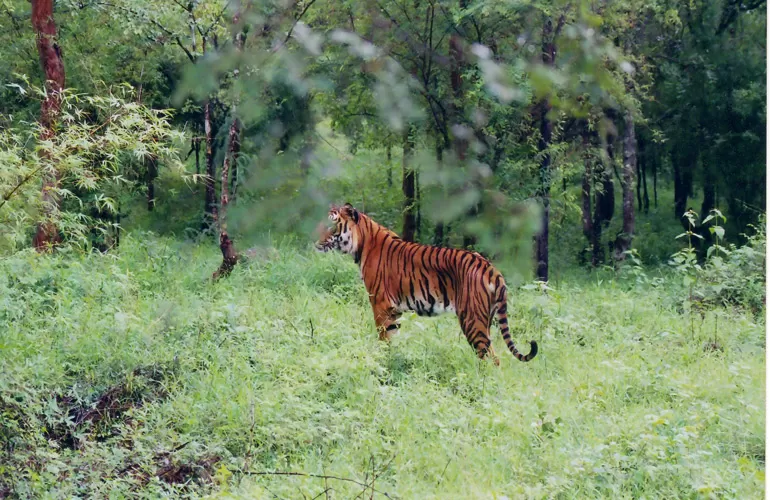
Bahraich, Uttar Pradesh: Nestled along the Nepal border, the Katarniaghat Wildlife Sanctuary in Bahraich district is quickly emerging as one of India’s most exciting destinations for tiger tourism. Known for its dense forests and diverse wildlife, the sanctuary is now drawing attention for something even more thrilling—frequent sightings of Bengal tigers. What was once a rare privilege for visitors has now become a regular highlight of safaris, positioning Katarniaghat as a must-visit hub for wildlife enthusiasts.
Tiger Numbers Double, Making Sightings More Common
According to experts, the tiger population in Katarniaghat has seen a dramatic rise in just three years, crossing the 100 mark. The 2022 tiger census confirmed the highest growth rate in the sanctuary’s history. With this surge, spotting a tiger during a safari has become increasingly likely.
In the summer months, the chances of sightings are even higher. Tigers and tigresses are often seen resting under shady trees along Bandha Road, offering tourists an up-close experience of these magnificent cats in their natural setting.
Tourists Flock to Experience the Thrill
Visitors are overjoyed at the opportunity to witness tigers roaming freely. Many capture these moments on their phones and share them on social media, where pictures and videos of safaris have gone viral. This digital buzz has propelled Katarniaghat into the spotlight, leading to record-breaking tourist footfall over the past three years.
Forest Officials Celebrate Conservation Success
Speaking about the growing tiger visibility, Suraj Kumar, Divisional Forest Officer (DFO) of Katarniaghat, said:
“Tourists are now encountering tigers almost daily during safaris. This not only boosts eco-tourism but also reflects the effectiveness of our conservation efforts.”
Growing Tiger Population Presents New Challenges
While the rising numbers are a conservation triumph, experts caution about the ecological pressures that may follow. Renowned wildlife specialist BD Lakhmani noted that the expanding tiger population, fueled by favorable breeding conditions, is beginning to strain the available habitat. Limited territory could eventually spark competition among tigers and other species.
Currently, Katarniaghat is divided into seven ranges, all of which report tiger presence—an indicator of the sanctuary’s rich biodiversity. Still, striking a balance between conservation success and sustainable habitat management remains the sanctuary’s most pressing challenge.
Tiger Numbers Double, Making Sightings More Common
According to experts, the tiger population in Katarniaghat has seen a dramatic rise in just three years, crossing the 100 mark. The 2022 tiger census confirmed the highest growth rate in the sanctuary’s history. With this surge, spotting a tiger during a safari has become increasingly likely.
In the summer months, the chances of sightings are even higher. Tigers and tigresses are often seen resting under shady trees along Bandha Road, offering tourists an up-close experience of these magnificent cats in their natural setting.
Tourists Flock to Experience the Thrill
Visitors are overjoyed at the opportunity to witness tigers roaming freely. Many capture these moments on their phones and share them on social media, where pictures and videos of safaris have gone viral. This digital buzz has propelled Katarniaghat into the spotlight, leading to record-breaking tourist footfall over the past three years.
Forest Officials Celebrate Conservation Success
Speaking about the growing tiger visibility, Suraj Kumar, Divisional Forest Officer (DFO) of Katarniaghat, said:
“Tourists are now encountering tigers almost daily during safaris. This not only boosts eco-tourism but also reflects the effectiveness of our conservation efforts.”
Growing Tiger Population Presents New Challenges
While the rising numbers are a conservation triumph, experts caution about the ecological pressures that may follow. Renowned wildlife specialist BD Lakhmani noted that the expanding tiger population, fueled by favorable breeding conditions, is beginning to strain the available habitat. Limited territory could eventually spark competition among tigers and other species.
Currently, Katarniaghat is divided into seven ranges, all of which report tiger presence—an indicator of the sanctuary’s rich biodiversity. Still, striking a balance between conservation success and sustainable habitat management remains the sanctuary’s most pressing challenge.